Core processing in mineral exploration is the systematic handling and analysis of drill cores after extraction from the ground. This workflow includes retrieving cores from the drill site, transporting them to logging facilities, conducting geological examination, photographing samples, and preparing them for laboratory analysis. Proper core processing helps you preserve geological information and collect accurate data that supports reliable exploration decisions.
What is core processing in mineral exploration?
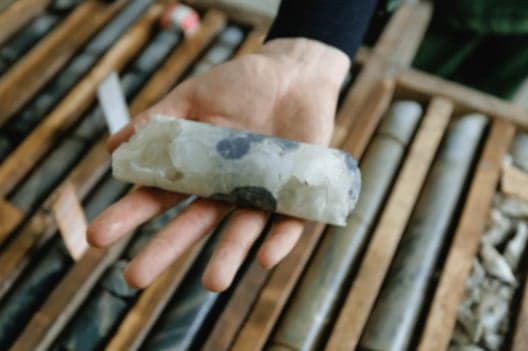
Core processing refers to the complete sequence of activities that transform raw drill cores into documented, analysed geological samples. After drilling equipment extracts cylindrical rock samples from beneath the surface, these cores undergo systematic examination to identify mineralisation, geological structures, and other features that indicate resource potential.
The process matters because drill cores provide your only direct physical evidence of subsurface geology. You’re making significant investment decisions based on what these samples reveal about mineral deposits, so maintaining their integrity throughout processing directly affects your exploration success. Every step in the workflow serves to extract maximum geological information whilst preserving sample quality for future reference.
Core processing bridges the gap between field operations and laboratory analysis. Geologists examine the physical cores to document visible features, whilst technicians prepare samples for geochemical testing. This combination of visual inspection and analytical data gives you a comprehensive understanding of what lies beneath your exploration site.
How does the core processing workflow actually work?
The core processing workflow begins when drillers retrieve cores from the borehole and place them in core boxes. These boxes travel from the drill site to a logging facility, where geologists and technicians conduct detailed examination. The sequence follows a logical progression that maximises data quality whilst protecting sample integrity.
Once cores arrive at the logging facility, technicians arrange them on logging tables in the correct depth sequence. Geologists then conduct geological logging, which involves examining the cores metre by metre to record rock types, mineralisation, alteration, structure, and other geological features. This visual examination produces detailed descriptions that form the foundation of your geological interpretation.
Photography documentation happens after initial logging. You capture high-resolution images of the cores under consistent lighting conditions, creating a permanent visual record. These photographs allow geologists who cannot visit the site to examine the cores and provide a reference for future work.
Sample selection follows photography. Geologists mark intervals for laboratory analysis based on visible mineralisation or other features of interest. Technicians then cut the cores, typically taking half for analysis whilst retaining the other half for reference. The samples move to laboratories for geochemical testing, whilst remaining core materials go into secure storage where they remain available for re-examination.
What equipment do you need for effective core logging?
Professional core logging requires specialised equipment designed specifically for handling and examining drill cores. The centrepiece of any logging facility is the logging table, which provides a stable, ergonomic platform for core examination. Quality logging tables feature adjustable, inclined roller systems that allow geologists to rotate cores smoothly during examination, revealing all sides of the sample without manual handling that could cause damage.
Electrically adjustable logging tables offer significant advantages for workflow efficiency. You can modify table height to suit different geologists’ ergonomic needs, reducing fatigue during extended logging sessions. Ball bearing tables provide smooth rotation with minimal effort, which becomes important when you’re examining hundreds of metres of core material. Durable materials designed for core logging withstand the weight and abrasive nature of rock samples whilst maintaining precise positioning over years of use.
Customisability makes the difference between adequate and optimised facilities. High-quality logging tables accommodate integrated equipment such as photography stations that maintain consistent lighting and positioning for documentation. Laptop desks allow geologists to record observations directly into digital logging systems without moving away from the cores. Orientation racks with secure positioning mechanisms hold cores at precise angles for detailed structural measurements.
The right equipment configuration depends on your project scale and workflow preferences. Some operations benefit from compact setups that maximise space efficiency, whilst larger projects may require multiple stations that allow parallel processing of several boreholes. The key is selecting equipment that supports both efficiency and ergonomics, helping your team maintain accuracy throughout long logging sessions.
Why does proper core handling matter for exploration results?
Core processing quality directly influences the reliability of your exploration data and subsequent resource decisions. Poor handling can damage cores, obscure geological features, or introduce contamination that skews analytical results. When you’re making investment decisions worth millions based on core data, systematic processing becomes the foundation of reliable geological interpretation.
Physical damage to cores destroys geological information that cannot be recovered. Broken cores make it difficult to measure structural orientations accurately. Contamination during sample processing can produce misleading geochemical results, potentially causing you to misinterpret mineralisation patterns or miss significant zones entirely. These errors compound through your decision-making process, potentially leading to incorrect resource estimates or missed opportunities.
Proper procedures preserve the geological story that cores tell. Systematic handling maintains the spatial relationships between different rock units and mineralised zones. Careful documentation creates a permanent record that supports quality control and allows future geologists to verify interpretations. Clean sample processing ensures that laboratory analyses reflect true mineralisation rather than contamination introduced during handling.
The connection between core processing and project success runs through every stage of exploration. Accurate geological logging guides your drilling decisions, helping you target the most prospective areas efficiently. Reliable sample data supports resource estimation that meets regulatory standards and investor expectations. Well-preserved core collections remain valuable for years, allowing you to re-examine samples as new geological understanding develops or analytical techniques improve.
At Palsatech, we understand that effective core processing requires both expertise and proper facilities. Our core processing services provide the equipment, methods, and skilled personnel you need to extract maximum value from your drilling investment. Whether you need support for short-term field programmes or comprehensive assistance with extended projects, we help you maintain the data quality that successful exploration demands. Contact us to discuss your project requirements.
(source citation: How does core processing work in mineral exploration? - Palsatech)