Core drilling in mineral exploration is a fundamental technique that extracts continuous cylindrical rock samples from the ground to analyse subsurface geology. This method provides geologists with direct access to underground rock formations, allowing them to identify mineral deposits, assess ore quality, and determine the viability of mining projects through detailed geological analysis.
Understanding Core Drilling in Mineral Exploration
Core drilling serves as the backbone of modern mineral exploration, providing direct access to subsurface geological information that surface surveys cannot reveal. This technique involves drilling into the earth to extract continuous rock samples, called cores, which preserve the exact sequence and structure of underground formations.
The process plays a vital role in geological services by delivering accurate data about rock composition, mineral content, and structural geology. Unlike other drilling methods that destroy rock samples during extraction, core drilling maintains the integrity of geological formations, allowing for comprehensive analysis of subsurface conditions.
For mining companies and exploration teams, core drilling bridges the gap between theoretical geological models and actual underground conditions. This information becomes the foundation for investment decisions, mine planning, and resource estimation in mineral exploration projects.
What is Core Drilling and How Does it Work?
Core drilling uses a hollow drill bit to cut through rock while preserving a continuous cylindrical sample of the material being drilled. The process involves rotating a diamond-tipped or carbide drill bit that cuts around the perimeter of the rock, leaving an intact core sample in the centre.
The drilling equipment consists of a drilling rig, drill rods, and a core barrel system. As the drill bit penetrates the rock, the core sample enters a core barrel where it’s protected from damage. Drilling fluid, typically water or mud, cools the drill bit and carries away rock debris while maintaining hole stability.
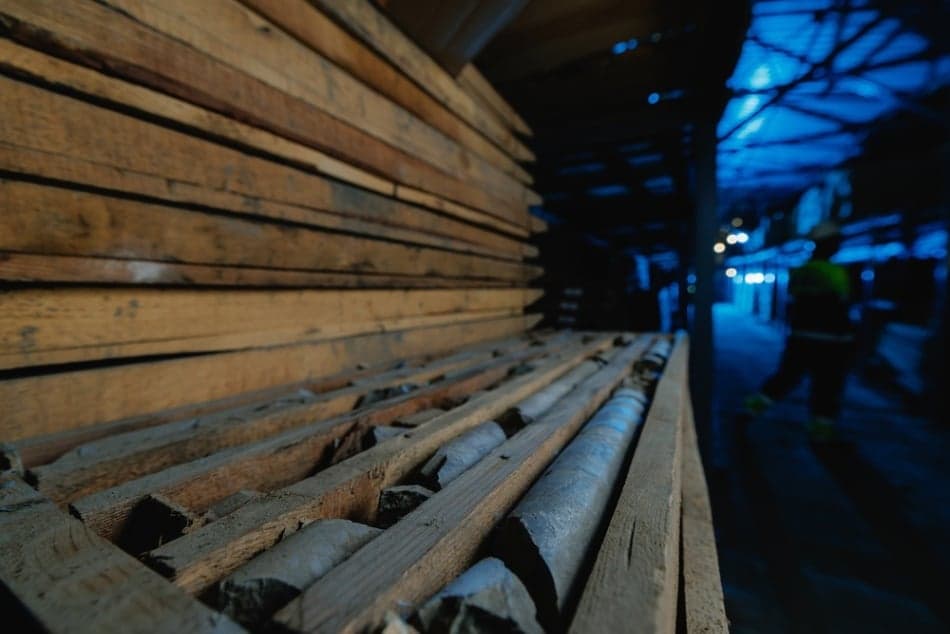
The core barrel contains an inner tube that holds the rock sample securely during extraction. Once the barrel is full, it’s brought to the surface, and the core sample is carefully removed for logging and analysis. This process continues until the desired depth is reached, creating a complete geological record of the drilled interval.
Why is Core Drilling Important for Mineral Exploration?
Core drilling provides accurate geological data that forms the foundation of successful mineral exploration programmes. The continuous rock samples allow geologists to identify mineral deposits, determine ore grades, and understand the three-dimensional structure of geological formations.
This method offers several advantages over other exploration techniques. It provides direct evidence of mineralisation, allows for precise depth measurements, and enables detailed geochemical analysis of rock samples. The preserved core samples can be stored for future reference and re-analysis as new technologies become available.
Professional exploration field services rely on core drilling to reduce exploration risks and improve resource estimates. The detailed information obtained helps mining companies make informed decisions about project feasibility and development strategies, ultimately saving time and resources in the exploration process.
What Equipment is Used in Core Drilling Operations?
Core drilling operations require specialised equipment designed to extract intact rock samples from various depths and geological conditions. The primary components include drilling rigs, core barrels, drill bits, and support equipment for sample handling and analysis.
Drilling rigs range from portable units for shallow exploration to heavy-duty rigs capable of reaching depths exceeding 1,000 metres. These rigs provide the rotational power and thrust needed to penetrate different rock types whilst maintaining precise control over drilling parameters.
Core barrels come in various sizes and configurations, typically ranging from HQ (63.5mm diameter) to NQ (47.6mm diameter) sizes. The barrels include inner tubes that protect the core sample during extraction and specialised catching mechanisms that prevent sample loss during retrieval.
Equipment TypeFunctionKey FeaturesDiamond Drill BitsRock cuttingHigh durability, precise cuttingCore BarrelsSample collectionVarious sizes, protective inner tubesDrilling RigsPower and positioningAdjustable depth, rotational controlDrilling Fluid SystemsCooling and cleaningCirculation pumps, filtration
How do You Analyse Core Samples from Drilling?
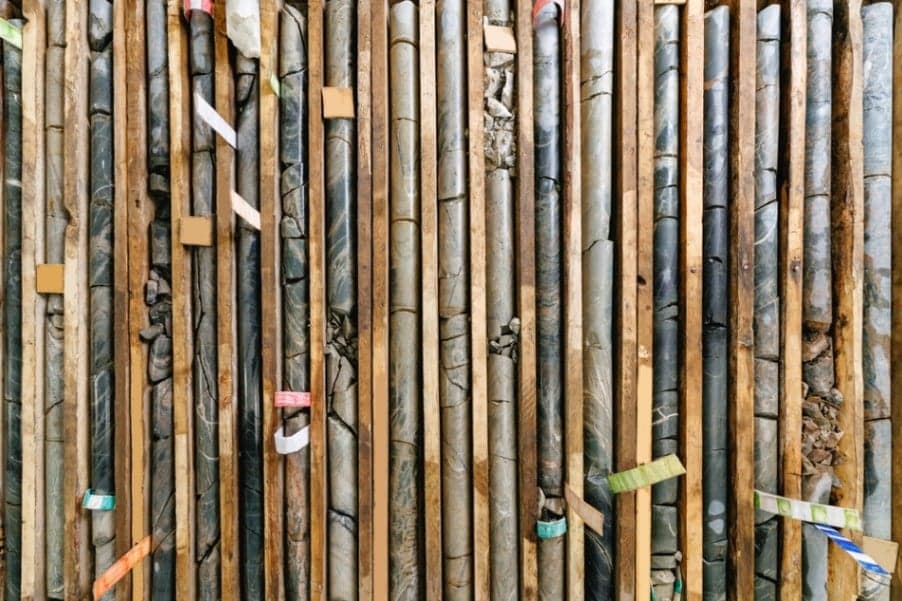
Core sample analysis begins with systematic logging procedures that document the physical and geological characteristics of each sample. This process involves measuring, photographing, and describing the core samples to create a detailed geological record.
The analysis process starts with core recovery measurements to determine how much intact sample was retrieved from each drilling interval. Geologists then examine the samples for mineral content, rock type, structural features, and signs of alteration or weatherisation.
Specialised core processing services use logging tables and digital systems to record observations systematically. These facilities provide controlled environments for sample examination, photography, and preliminary analysis before samples are sent for detailed laboratory testing.
Advanced analysis techniques include geochemical assays, petrographic studies, and structural measurements. The data collected during core logging becomes part of the geological database used for resource estimation and mine planning decisions.
What are the Different Types of Core Drilling Methods?
Several core drilling methods are available, each suited to different geological conditions and exploration objectives. Diamond drilling represents the most common technique, using diamond-impregnated bits to cut through hard rock formations whilst preserving sample integrity.
Reverse circulation drilling offers an alternative approach for certain geological conditions, particularly in softer formations or when rapid drilling progress is required. This method uses compressed air to bring rock chips to the surface, though it doesn’t provide the continuous core samples that diamond drilling delivers.
Specialised techniques include oriented drilling for structural geology studies and large-diameter drilling for bulk sampling programmes. The choice of drilling method depends on factors such as rock hardness, target depth, required sample quality, and project budget considerations.
Modern mining services often combine multiple drilling techniques within a single exploration programme to optimise data collection whilst managing costs effectively.
Core Drilling Insights for Successful Mineral Exploration
Core drilling remains an indispensable tool in mineral exploration, providing the detailed geological information necessary for successful project development. The continuous rock samples obtained through this process enable accurate resource estimation, reduce exploration risks, and support informed investment decisions.
The success of core drilling programmes depends on proper planning, skilled execution, and systematic sample analysis. Quality control measures throughout the drilling and logging process ensure that the geological data collected accurately represents subsurface conditions.
Professional geological services integrate core drilling with other exploration techniques to create comprehensive geological models. This integrated approach maximises the value of exploration investments whilst minimising environmental impact through efficient drilling programmes.
For companies involved in mineral exploration, partnering with experienced providers of geological and technical services ensures access to the expertise, equipment, and facilities needed for successful core drilling programmes. This comprehensive approach to mineral exploration supports project success from initial investigation through to resource development.
( Source citation : What is core drilling in mineral exploration? - Palsatech)